
Description
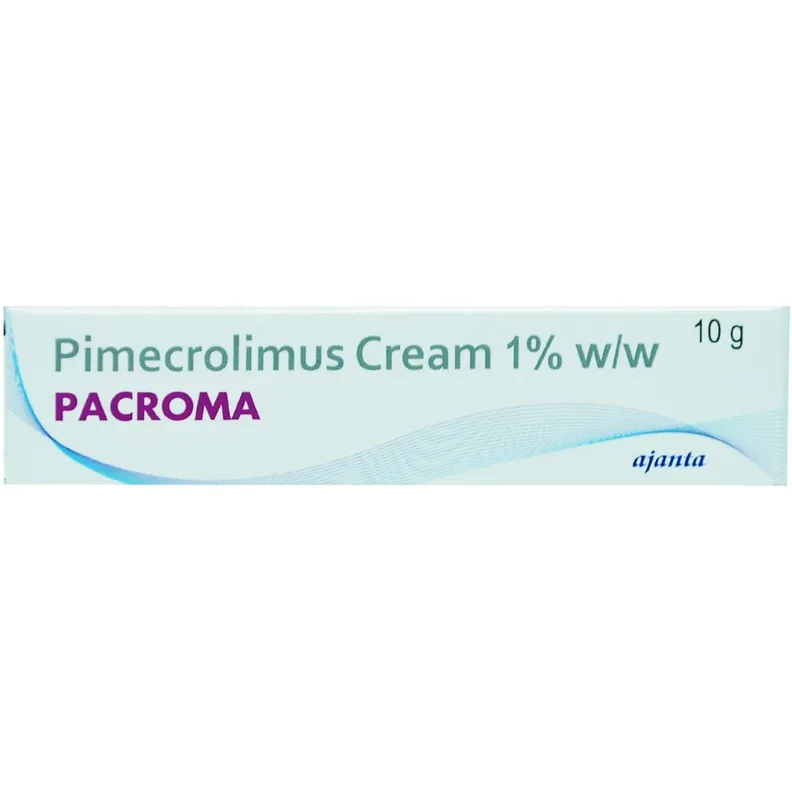
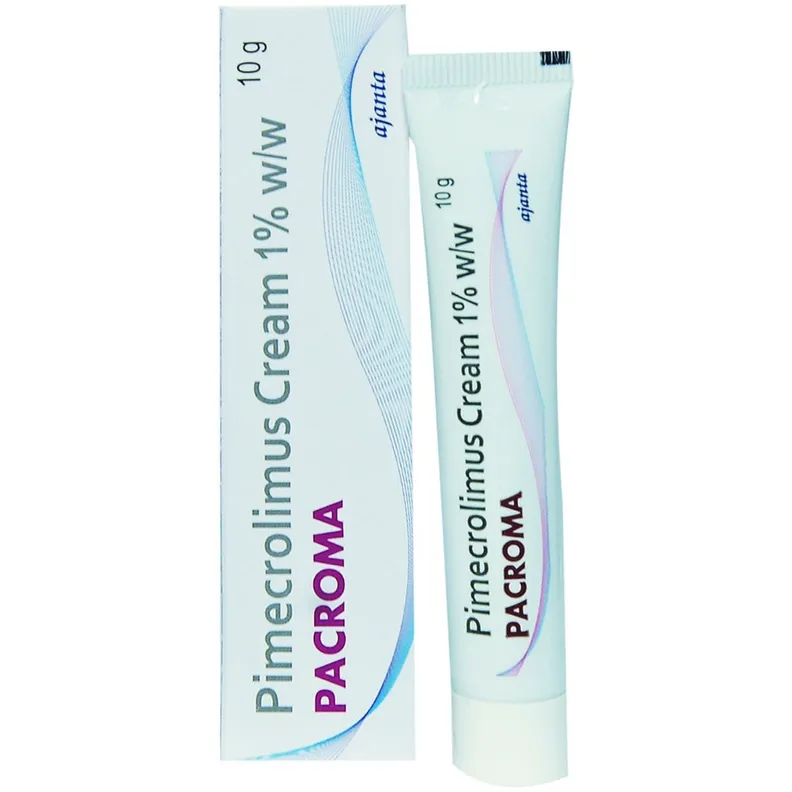
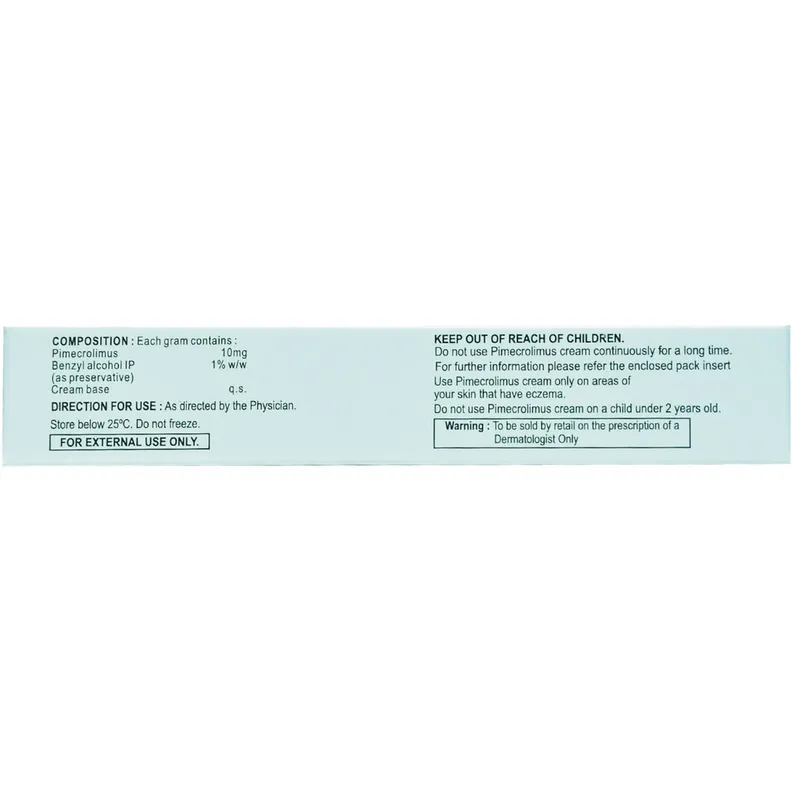
Pacroma Cream is used for external use only. It should be used 2-4 times a day on the affected area, or use it as suggested by the doctor. It should be applied slowly and evenly to the skin until it is rubbed in. You should not use it too often, and you should not cover the treated area with a bandage or plaster. You must inform your doctor if there’s no improvement even after two weeks of treatment or if the skin gets worse.
Common side effects of Pacroma Cream include application site reactions such as burning, irritation, itching, and redness. If you experience any side effects that persist or get worse, stop the treatment and consult your doctor. Avoid excessive application and do not cover the area with tight dressings, as that can cause irritation.
Pacroma Cream should not be used in people who are allergic to pimecrolimus or any of its ingredients, or in those with a weakened immune system. It is not recommended for children under 2 years of age. It should not be applied to infected skin, areas affected by viral infections such as herpes simplex or chickenpox, or to potentially malignant or pre-malignant skin lesions.
Long-term continuous use should be avoided, as the long-term effects on local skin immunity are not fully known, and rare cases of skin cancer and lymphoma have been reported. Excessive sun exposure and UV treatments should also be avoided during treatment. Use of Pacroma Cream during pregnancy is not recommended, and caution is advised during breastfeeding.
Benefits of Pacroma Cream
Pacroma Cream is a non-steroidal anti-inflammatory treatment for mild to moderate atopic dermatitis. It helps reduce redness, itching and rash when topical steroids cannot be used, and can be used intermittently over the long term to help prevent flares, as advised by your doctor.
Side effects of Pacroma Cream
- Application site reactions (burning, irritation, itching and redness)


Reviews
There are no reviews yet.